

Semen Analysis Parameters Explained: Volume, Concentration, Motility

Why semen analysis numbers matter for fertility planning
A semen analysis is one of the most practical tests used in fertility care. It doesn’t diagnose every cause of infertility by itself, but it gives you measurable information about sperm production and function. Those measurements—volume, concentration, motility, and morphology—help clinicians interpret whether sperm are being produced in adequate numbers, moving effectively, and having normal structure.
To interpret results correctly, you also need to understand abstinence timing. The time between ejaculations can significantly change semen volume and sperm concentration. A result that looks “low” after a long abstinence period may be different from a result collected after a shorter interval. Likewise, a short interval can dilute semen, lowering concentration.
In this guide, you’ll learn what each semen analysis parameter measures, typical reference ranges used in clinical practice, the most common reasons results vary, and how to prepare for a collection so your results are more likely to reflect your true baseline.
How semen analysis testing works (and why collection details matter)
Most semen analyses follow a standardized workflow. You provide a semen sample, it’s examined within a specific timeframe, and the lab uses validated methods to measure different sperm characteristics. The key point is that semen is a time-sensitive sample. Sperm motility—especially—is affected by temperature and time after ejaculation.
In real-world clinics, the sample is typically collected by masturbation into a sterile container. The lab then records:
- Time from ejaculation to analysis (often targeted around within 1 hour; exact lab requirements vary).
- Liquefaction (semen often changes from a gel-like state to a more fluid form over time).
- Macroscopic properties like volume and appearance.
- Microscopic properties including sperm concentration, motility, and morphology.
Because conditions affect results, you’ll want to follow the lab’s instructions closely. Even small deviations—like missing part of the sample or delays in delivery—can shift your numbers.
Abstinence timing: the hidden variable behind volume and concentration
Abstinence timing is the interval between ejaculation and semen collection. Many labs recommend an abstinence window of 2 to 7 days before providing a sample. This range aims to balance two competing effects:
- Longer abstinence can increase semen volume and sperm concentration, because sperm accumulate.
- Shorter abstinence can reduce concentration, because the reservoir hasn’t fully replenished.
Why does this matter? Consider two collections from the same person:
- If you abstain for 2 days, your semen may contain fewer sperm per milliliter due to partial replenishment.
- If you abstain for 7 days, sperm counts may appear higher per milliliter, and volume may be greater.
Both results might be “normal,” but they won’t be directly comparable if the abstinence periods are very different.
Real-world scenario: A couple schedules an initial fertility evaluation. The first semen sample is collected after 1 day of abstinence because of scheduling constraints. The report shows a lower sperm concentration than expected. The clinician recommends repeating the test after 3–5 days of abstinence. On repeat testing, the concentration improves and motility remains similar, giving a clearer picture of baseline sperm characteristics.
When you review results, always note the abstinence duration listed on the report. If your timing was outside the recommended range, ask the clinician how they interpret that specific result.
Semen volume: what it measures and how to interpret it
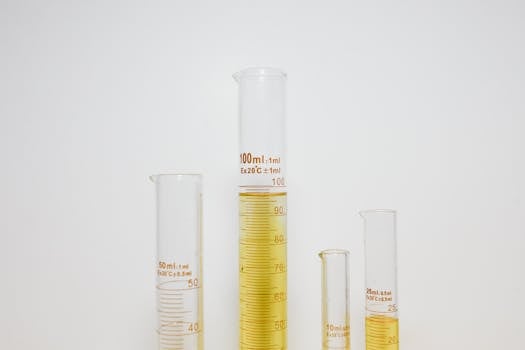
Volume refers to the total amount of semen in the sample, measured in milliliters (mL). It mainly reflects contributions from the seminal vesicles, prostate, and associated glands. While volume is not the same as “sperm count,” it influences the overall number of sperm delivered per ejaculation.
Clinically, semen volume is often assessed using reference thresholds. Many labs consider volumes below 1.5 mL to be low (thresholds can vary slightly by guideline and lab method). Low volume can occur for several reasons, including partial collection, dehydration, ejaculatory duct issues, or hormonal and gland-related factors.
How volume affects interpretation:
- If volume is low but concentration is normal, total sperm count may still be acceptable.
- If both volume and concentration are low, total sperm output per ejaculation may be reduced.
Practical guidance: Make sure you collect the entire ejaculate. Missing even a portion can lower measured volume and skew the total sperm count. If you’re given instructions like “collect all of the sample,” treat it as essential to data accuracy.
Also consider that semen can be affected by collection temperature and handling. While volume itself is not as time-sensitive as motility, any handling problems can still influence the overall assessment.
Sperm concentration: translating per-mL numbers into total sperm output
Concentration is the number of sperm per milliliter of semen, typically reported as millions per mL (for example, 15 million/mL). This parameter is central to understanding whether sperm production is sufficient.
Reference thresholds vary by guideline, but a commonly used lower reference limit is around 15 million sperm per mL. Some reports also provide total sperm number, which incorporates both concentration and volume.
Why concentration isn’t the whole story:
- A high concentration with very low volume may still reduce total sperm count.
- A moderate concentration with normal volume may produce a healthy total sperm output.
Calculating total sperm number: Total sperm number is often approximated as:
total sperm number = concentration (million/mL) × volume (mL)
Example: If your report shows 20 million/mL and volume is 2.0 mL, your estimated total sperm number is about 40 million sperm per ejaculation.
Clinicians often use both concentration and total sperm number because fertility potential is influenced by how many sperm are present and how many can reach and function in the reproductive tract.
Motility: how sperm movement is measured and what “progressive” means
Motility describes the ability of sperm to move. In fertility terms, motility is important because sperm must travel through cervical mucus and into the reproductive tract to reach the egg.
Motility results are usually reported in categories such as:
- Total motility (percentage of sperm moving, regardless of direction/quality)
- Progressive motility (sperm moving forward in a way that suggests effective movement)
- Non-progressive motility (movement present, but not in an effective forward trajectory)
What you need to focus on is not just “moving,” but how they move. Progressive motility is often emphasized because it reflects a more functional movement pattern.
Reference thresholds: Many labs use lower reference limits for progressive motility that are around 30% (with variation by guideline and lab). Total motility thresholds are often higher than progressive thresholds.
Why motility is variable:
- Motility is sensitive to time to analysis. Delays can reduce motility.
- Temperature during transport matters. Semen should be kept at appropriate temperature (commonly “body temperature” range per clinic instructions).
- Recent illness, fever, or medications can temporarily affect sperm function.
Practical example: Two samples are collected within a month. The first is delivered to the lab promptly and kept warm. The second sample is delayed by several hours due to transportation issues. Even if concentration is similar, the second report may show lower motility because sperm viability and movement decline over time outside ideal conditions.
If your motility is borderline, ask whether the report includes the time-to-analysis and handling conditions. That context can be as important as the raw percentage.
Morphology: what sperm shape assessment actually looks for
Morphology refers to sperm structure—shape and specific anatomical features. In many semen analysis reports, morphology is reported as the percentage of sperm with “normal” form according to a standardized scoring system.
Most labs use strict criteria based on established guidelines. The morphology assessment typically evaluates the head, midpiece, and tail for features such as:
- Head shape and acrosome formation
- Midpiece structure
- Tail length and alignment
Reference thresholds vary, but a commonly cited lower limit for normal morphology is around 4% (again, exact thresholds depend on the guideline used and lab methodology).
How to interpret morphology responsibly:
- Morphology is a measure of appearance, not necessarily genetic integrity.
- It can be influenced by lab technique, staining quality, and observer variability.
- Morphology can be normal even when other parameters are abnormal, and vice versa.
Why repeat testing matters: Sperm development takes time. If morphology is low, clinicians often consider repeating the test after a period that reflects spermatogenesis, rather than concluding a permanent problem from a single snapshot.
While the “big four” you’ll see emphasized are volume, concentration, motility, and morphology, many semen analysis reports also include additional physical characteristics such as liquefaction, viscosity, and pH. These can affect sperm movement and the semen environment.
Liquefaction is the process where semen transitions from a gel-like form into a fluid state. Semen that remains too viscous can hinder sperm movement. Labs may report liquefaction time or comment on viscosity.
pH reflects chemical conditions within semen. Normal pH supports sperm viability. Abnormal pH can sometimes suggest issues with accessory gland function.
Practical guidance: If your report lists “abnormal viscosity” or “delayed liquefaction,” treat it as relevant. Even if concentration is adequate, poor liquefaction or high viscosity can reduce functional sperm movement. Ask your clinician how those findings fit with motility and the overall pattern.
Some semen analyses note the presence of additional cells such as white blood cells (leukocytes) and the amount of cellular debris. Elevated leukocytes can be associated with inflammation or infection, which may affect semen quality and sperm function.
Reports may provide leukocyte counts or categorize them as low/normal/high. If leukocytes are elevated, clinicians may consider further evaluation depending on your symptoms and the rest of the semen profile.
Important nuance: Not all inflammation is symptomatic. You might feel fine and still have semen findings suggesting irritation or inflammation. Conversely, some abnormal background findings may not lead to a specific diagnosis without additional clinical context.
If your report includes leukocytes or “round cells,” ask what threshold the lab uses and whether the result suggests inflammation that should be investigated.
To make semen analysis parameters explained practically, you need to interpret them as a pattern, not as separate numbers in isolation. Here are a few common patterns and what they can suggest in general terms:
- Low volume + low concentration: may indicate reduced sperm output per ejaculate, collection issues, or possible gland/duct factors.
- Normal volume + low concentration: may point more toward sperm production issues rather than dilution from low ejaculate volume.
- Normal count + low motility: can suggest sperm functional issues, transport/handling effects, or temporary influences like fever or lifestyle factors.
- Normal count + abnormal morphology: can indicate structural sperm issues, with possible contributions from genetics, exposures, or lab variability.
- Multiple abnormalities: when volume, concentration, motility, and morphology are all affected, clinicians often consider broader causes such as systemic health, medication effects, smoking, metabolic factors, or inflammatory processes.
These are not diagnoses. They’re starting points. Your clinician should integrate your medical history, physical exam when appropriate, and sometimes additional tests.
Sperm characteristics vary naturally from one ejaculation to another. A single semen analysis can be informative, but it may not represent your typical baseline. Many guidelines and clinical practices recommend repeating testing if results are abnormal, often after a period that reflects sperm development.
Spermatogenesis—the process of sperm production—takes about 74 days (roughly 2.5 months). Because of that, repeating too soon can miss meaningful changes. Clinicians often repeat semen analysis after 2 to 3 months when they suspect a reversible factor or when initial results are clearly abnormal.
Real-world scenario: You stop smoking and improve sleep after an initial report showed low motility. A repeat test at 3 months shows improved progressive motility compared with the first sample, supporting the idea that sperm function can change over time.
However, timing alone doesn’t guarantee improvement. The goal of repeating is to clarify whether the initial abnormality was transient, due to collection/handling, or more persistent.
You can’t control every biological factor, but you can improve the reliability of your results by controlling collection and preparation details.
Follow abstinence instructions exactly. If the lab recommends 2–7 days, aim for that window. If you consistently collect outside it, ask how they adjust interpretation.
Avoid missing the sample. Collect the entire ejaculate. If you’re given instructions for container use, cleanliness, or specific collection time, follow them.
Plan for delivery time. Choose a collection time that allows you to deliver the sample promptly. Motility is particularly sensitive to delays.
Temperature matters. If your clinic provides guidance for keeping the sample at a specific temperature range, use it. Don’t let the sample get too cold or too hot.
Consider illness and fever. If you’ve had a fever in the days before collection, tell your clinician. Fever can temporarily affect sperm quality. If you’re told to delay, the delay is often designed to reduce the chance of testing a temporary dip.
Medication and supplements: Don’t stop prescribed medications without medical advice. But you should inform the clinic about medications, supplements, and any recent changes, because some can influence hormone levels or sperm parameters.
Because sperm development takes weeks, lifestyle changes won’t always appear immediately. Abstinence timing changes can affect concentration and volume right away, but lifestyle factors like smoking cessation, improved diet, reduced alcohol intake, and managing chronic conditions may influence semen parameters over a spermatogenesis cycle.
Example timeline:
- Week 1: You improve sleep, reduce alcohol, and address overheating (for example, avoiding hot tubs). You may not see changes in semen analysis right away.
- Weeks 6–10: New sperm cohorts begin to mature. Motility and morphology may start to reflect the new environment.
- 2.5 months: A repeat semen analysis is more likely to capture the effect on the sperm cohort produced during the improved period.
Abstinence timing still matters for repeat testing. If you change abstinence duration between tests, you may confuse true biological change with dilution or concentration effects.
It’s possible to have semen analysis parameters that are within reference ranges and still experience difficulty conceiving, and it’s also possible to have abnormal semen analysis and achieve pregnancy. Semen analysis measures selected characteristics, but fertility involves many steps:
- sperm transport through the reproductive tract
- capacitation and ability to fertilize
- egg factors and tubal/uterine factors
- timing of intercourse
- overall reproductive health
Also, semen analysis is not a direct measure of DNA integrity, mitochondrial function, or every aspect of sperm-cell competence. If semen analysis is abnormal or if pregnancy doesn’t occur after appropriate attempts, clinicians may consider additional evaluation.
That might include hormone testing, evaluation of female factors, or specialized sperm function tests depending on the clinical situation. The key is that semen analysis parameters explained is only one part of a broader fertility assessment.
Even though semen analysis can’t be “optimized” like a product, you can reduce known risks and support conditions that favor sperm health. Focus on habits that influence sperm production and function over the ~74-day spermatogenesis cycle.
Common risk-reduction strategies include:
- Avoid tobacco exposure (including vaping and secondhand smoke).
- Limit alcohol and avoid binge patterns.
- Manage heat exposure (avoid frequent hot tubs/saunas and prolonged laptop use on the lap).
- Support metabolic health (address diabetes, insulin resistance, and weight management when relevant).
- Review medications with a clinician if fertility is a goal.
- Address inflammation if leukocytes or symptoms suggest it.
These steps don’t guarantee normal semen analysis, but they can improve the odds over time—especially when paired with appropriate medical evaluation.
One more practical point: if you’re repeating semen analysis, keep abstinence timing consistent (for example, always aiming for 3–5 days). That way, changes in volume, concentration, motility, and morphology are more likely to reflect true biological variation rather than test-to-test timing differences.
To interpret semen analysis accurately, you need more than a list of numbers. You need context: collection timing, handling, and how each parameter fits together.
- Abstinence timing (often 2–7 days) affects volume and concentration. Keep it consistent between tests.
- Volume reflects semen quantity. Low volume can reduce total sperm output and may relate to collection completeness or gland/duct factors.
- Concentration measures sperm per milliliter. It’s a key indicator of sperm production, but it should be interpreted alongside volume.
- Motility reflects sperm movement and is sensitive to time-to-analysis and temperature. Progressive motility is often especially informative.
- Morphology describes sperm shape based on standardized criteria. It can be influenced by lab methods and may require repeat testing for confirmation.
If your results are borderline or abnormal, repeating the test after about 2–3 months can help distinguish temporary variation from a persistent pattern. And if you’re trying to conceive, remember that fertility is multifactorial; semen analysis is one important piece of the larger assessment.
FAQ: semen analysis parameters explained
Note: Reference ranges vary slightly by lab and guideline. Always interpret your results with the clinician who ordered the test.
How long should I abstain before a semen analysis?
Many labs recommend 2 to 7 days of abstinence before collection. Your report should list the abstinence duration used, which is important for interpreting volume and concentration.
What is considered a normal semen volume?
Low volume is commonly defined as below about 1.5 mL, though thresholds can vary. If volume is low, clinicians also consider whether the sample may have been incomplete.
How do I interpret sperm concentration in my report?
Sperm concentration is reported as sperm per milliliter (often in millions/mL). A common lower reference limit is around 15 million/mL. Interpretation should include semen volume to estimate total sperm output.
What’s the difference between total motility and progressive motility?
Total motility includes all moving sperm, while progressive motility refers to sperm moving forward effectively. Progressive motility is often emphasized because it better reflects functional movement.
Why can motility results change between tests?
Motility is sensitive to time after ejaculation, temperature, and handling. Illness and recent fever can also temporarily reduce motility.
What does sperm morphology measure?
Morphology measures the percentage of sperm with normal shape based on standardized criteria. A commonly cited lower reference limit is around 4%, but labs differ in methods.
Should I repeat semen analysis if results are abnormal?
Often, yes. Because sperm development takes about 74 days, repeat testing is commonly done after 2 to 3 months to confirm whether changes are persistent or temporary.
What should I do to improve the accuracy of my semen sample?
Collect the entire ejaculate, follow the lab’s abstinence instructions, deliver the sample promptly, and keep it at the temperature your clinic specifies. Also inform the clinician about recent fever, illness, or medication changes.
Can semen analysis predict fertility outcomes exactly?
No. Semen analysis provides important information about sperm characteristics, but fertility depends on many factors, including female reproductive factors and sperm function not captured by basic parameters.
05.02.2026. 02:37