

Science of Fasting: Metabolic Switching, Insulin, and Ketones

Why fasting changes your fuel source
Fasting is often described as “cutting calories,” but physiologically it is more precise to call it a controlled change in fuel availability. When food intake stops, the body must maintain blood glucose for critical tissues while also finding alternative energy sources. This is where metabolic switching—the transition from primarily using carbohydrates to increasingly relying on fats and ketones—becomes central.
The science of fasting metabolic switching insulin ketones is best understood as a coordinated endocrine and metabolic process. Insulin declines, glucagon rises, stored glycogen is gradually depleted, and fat breakdown accelerates. As liver metabolism adapts, the liver converts fatty acids into ketone bodies that can be used by the brain and other tissues. The result is not simply weight loss; it is a measurable shift in hormones, substrates, and cellular energy pathways.
Insulin’s role: the switch that starts the cascade
Insulin is a storage-oriented hormone. After meals, insulin helps move glucose into cells, promotes glycogen synthesis in liver and muscle, and suppresses fat breakdown. During fasting, insulin levels fall because there is less incoming carbohydrate to process.
Lower insulin changes the balance of signals that govern metabolism:
- Glucose uptake shifts—with less insulin, many tissues reduce glucose transport activity.
- Glycogen breakdown increases—the liver begins releasing glucose to support blood sugar stability.
- Lipolysis is released—insulin normally restrains hormone-sensitive lipase; when insulin drops, fat cells more readily release fatty acids.
This is why insulin is often treated as the “gatekeeper” of metabolic switching. It doesn’t act alone, but it is one of the dominant signals determining whether the body behaves as a carbohydrate-utilizing system or a fat- and ketone-utilizing system.
Glycogen depletion: the early fuel before ketones rise
At the start of fasting, the body does not immediately rely on ketones. Instead, it uses stored carbohydrate—glycogen—to maintain blood glucose. Liver glycogen is particularly important because it can be released as glucose into the bloodstream.
As fasting continues:
- Liver glycogen declines, reducing how much glucose can be produced quickly from carbohydrate stores.
- Counter-regulatory hormones such as glucagon and epinephrine become more influential, supporting glucose output.
- Fatty acid availability increases, setting the stage for ketone production.
How quickly glycogen is depleted varies widely between individuals. Training status, dietary carbohydrate intake before the fast, total glycogen stores, and the length and pattern of fasting all influence the timeline.
From fat to ketones: what the liver is actually doing
Ketone bodies are not produced because the body “wants” ketones. They are produced because fat-derived energy needs an efficient transport and utilization system, especially when carbohydrate is limited. The liver is the primary site of ketone production during fasting.
The process can be summarized in stages:
- Fat breakdown (lipolysis) releases free fatty acids into the blood.
- Fatty acid uptake by the liver increases.
- Ketogenesis converts fatty acids into ketone bodies, mainly beta-hydroxybutyrate (BHB) and acetoacetate (with acetone as a minor byproduct).
- Ketone utilization occurs in extrahepatic tissues, including the brain (to varying degrees), muscle, and the kidneys.
Ketones serve as a circulating fuel that can be used without requiring insulin-dependent glucose transport. Over time, the body becomes more efficient at using ketones, and insulin requirements for metabolic stability decrease.
Metabolic switching: why it’s gradual, not instantaneous
Metabolic switching is often portrayed as a binary event—either you are “fat burning” or you are not. In reality, it is gradual and layered. Several processes overlap:
- Carbohydrate use declines as glycogen stores shrink and insulin falls.
- Fat oxidation rises because free fatty acids increase and enzymes involved in beta-oxidation become more active.
- Ketone levels increase as ketogenesis ramps up when the liver has sufficient fatty acid substrate and the hormonal environment supports it.
The “switch” depends on both time and context. A person who has been consuming a lower-carbohydrate diet may enter ketosis faster during fasting because they start with lower glycogen stores and a metabolic environment already oriented toward fat oxidation. Conversely, someone consuming a high-carbohydrate diet may require longer fasting for ketones to rise substantially.
How long does it take to reach ketosis during fasting?

There is no single universal timeline. However, patterns are common in physiology:
- Early fasting often emphasizes glycogen use and a shift toward greater fat oxidation.
- Mid-fasting is when ketogenesis typically accelerates as glycogen becomes more limiting.
- Longer fasting tends to produce higher ketone levels and a stronger reliance on ketones for energy, though the degree varies.
Individual variability is driven by baseline insulin sensitivity, body composition, activity level, sleep, stress hormones, and prior diet. Even two people fasting for the same duration can have different ketone responses.
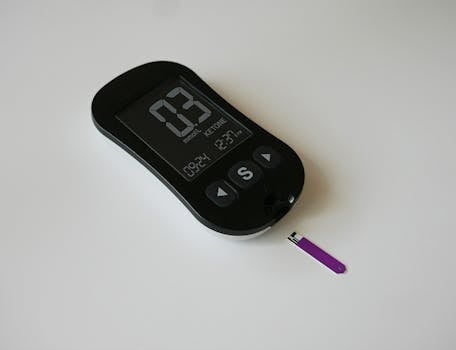
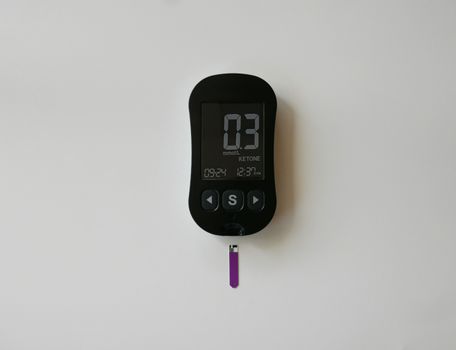
For practical monitoring, some people use blood ketone meters (measuring BHB), urine strips (acetoacetate), or breath measurements (acetone). Blood measures generally reflect real-time ketone status more directly than urine, which can lag behind and may be less accurate once ketone production/usage stabilizes.
What ketones do in the body beyond “fuel”
Ketones are more than an alternate calorie source. They influence cellular energy balance and signaling pathways. Beta-hydroxybutyrate, in particular, can affect gene expression and oxidative stress responses through mechanisms that are still actively studied.
In practical terms, ketones can support:
- Brain energy availability when glucose supply is limited.
- Protein sparing by reducing the body’s need to convert amino acids into glucose for energy needs.
- Stable energy utilization as the body increasingly uses fatty acids and ketones rather than relying on frequent carbohydrate intake.
It is important to note that ketones are not a guarantee of metabolic health by themselves. Their presence reflects a shift in substrate availability, but outcomes depend on overall lifestyle, diet quality when not fasting, sleep, physical activity, and health conditions.
Energy metabolism during fasting: glucose, fatty acids, and ketones together
Even during fasting, the body does not “turn off” glucose completely. The liver continues producing glucose through gluconeogenesis, especially early and when glycogen stores are low. Meanwhile, fat oxidation supplies a large share of energy, and ketones contribute additional fuel.
This shared system matters because it explains why fasting can feel different across individuals:
- People with higher insulin sensitivity may experience smoother transitions and less pronounced symptoms.
- People with insulin resistance may have more difficulty with glucose regulation and may feel more variable energy.
- Activity level and timing influence which fuel dominates at any moment.
When you understand the overlapping contributions of glucose, fatty acids, and ketones, the common experience of “getting used to it” becomes more understandable. The enzymes, transporters, and metabolic pathways adapt gradually.
Practical fasting guidance: supporting metabolic switching safely

If your goal is to use fasting in a way that aligns with physiology, the practical focus should be on consistency, hydration, and nutrition quality outside the fasting window—not on chasing a specific ketone number.
Consider these evidence-aligned guidelines:
- Start with shorter fasting windows if you are new. Many people tolerate 12:12 or 14:10 patterns more easily than longer fasts.
- Prioritize electrolyte balance. When insulin falls, kidneys increase sodium excretion. This can contribute to “fasting flu” symptoms such as headache or dizziness in some individuals. Adequate sodium and overall hydration can help.
- Maintain protein adequacy during eating periods. Protein supports muscle maintenance and gluconeogenic needs; under-eating protein can undermine the benefits of fasting while increasing hunger.
- Choose carbohydrate and fiber thoughtfully when not fasting. A diet that is overly low in fiber can worsen constipation and reduce comfort, while overly high refined carbohydrates may delay metabolic switching for some people.
- Be cautious with intense training during early fasting adaptation. Light-to-moderate activity often aligns better with the transition period; very high-intensity workouts may feel harder as glycogen is reduced.
Relevant hydration and electrolyte products are sometimes used to support comfort, such as electrolyte powders or tablets containing sodium, potassium, and magnesium. There is no magic in any brand, but ensuring adequate minerals can make fasting more tolerable and reduce unnecessary side effects.
Common misconceptions about insulin and ketones
Several misunderstandings persist in fasting discussions. Clarifying them improves decision-making:
- “Ketosis means fat loss automatically.” Ketosis indicates a shift in fuel use, but weight change depends on total energy intake and expenditure across time.
- “You must be in ketosis to benefit.” Some benefits of fasting can occur with partial metabolic switching, where fat oxidation rises but ketones remain modest.
- “If ketones aren’t high, fasting isn’t working.” Ketone levels vary. Insulin reduction, improved metabolic flexibility, and changes in appetite can occur even if ketones are not dramatically elevated.
- “Insulin always drops the same way in everyone.” Baseline insulin sensitivity, diet composition, sleep, and stress hormones all influence insulin dynamics.
Who should approach fasting with extra caution
Because fasting affects insulin, glucose regulation, and hydration status, certain conditions require medical guidance. People who are pregnant or breastfeeding, those with a history of eating disorders, and individuals with diabetes—especially those using insulin or insulin secretagogues—should not adjust fasting without clinician oversight.
Also use caution if you have:
- Kidney disease or conditions affecting electrolyte handling
- Significant cardiovascular disease
- Gout or disorders affecting uric acid balance
- Frequent hypoglycemia or impaired awareness of low blood sugar
Even in people without known conditions, persistent symptoms such as fainting, severe weakness, or inability to maintain hydration are reasons to stop and seek advice.
Monitoring progress: focus on physiology, not just numbers
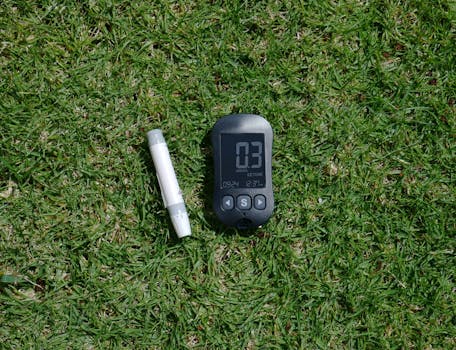
Tracking can be useful, but it should serve learning rather than obsession. Ketone measurements and glucose measurements can help you understand your personal response, but they do not replace other indicators.
Helpful markers to observe over time include:
- Energy stability during daily activities
- Hunger patterns and cravings
- Sleep quality and morning alertness
- Training tolerance if you exercise
- Body composition trends rather than daily weight fluctuations
If ketones are measured, interpret them alongside how you feel and how your body responds. Some individuals reach measurable ketones quickly; others rely more on fatty acid oxidation with lower ketone output. Both can be consistent with metabolic switching.
Summary: the science behind fasting’s metabolic switching
Fasting triggers a coordinated shift in hormones and fuel pathways. As food intake stops, insulin declines, glycogen stores gradually diminish, and the body increases fat breakdown. The liver then converts fatty acids into ketone bodies, which can be used by many tissues, including the brain. Metabolic switching is gradual and influenced by prior diet, individual insulin sensitivity, and the duration and pattern of fasting.
To apply this science practically, aim for consistency, support hydration and electrolytes, and ensure adequate protein and nutrient-dense eating periods. Most importantly, approach fasting with caution when health conditions or medication use could change glucose and electrolyte dynamics.
Prevention and safety checklist for fasting metabolic switching
- Start conservatively and increase fasting duration gradually.
- Maintain hydration and consider electrolyte intake, especially sodium.
- Don’t under-eat protein during eating windows.
- Watch for red-flag symptoms (fainting, severe dizziness, persistent vomiting).
- Seek medical guidance if you have diabetes, kidney disease, or are pregnant/breastfeeding.
- Use monitoring as feedback, not as a strict target. Ketones are one signal of metabolic state.
05.12.2025. 00:39