

Fasting and Gut Health Microbiome: What Science Says

Why fasting changes your gut ecosystem

When you fast, you’re not only changing what your stomach feels. You’re changing the fuel your gut microbes rely on. The gut microbiome—trillions of bacteria, archaea, and other microorganisms—adapts quickly to shifts in nutrient availability. That’s why fasting can alter microbial composition and function within days, and in some cases within hours.
But “fasting is good for your gut” is too simplistic. The microbiome responds differently depending on the type of fast, your baseline diet, your gut barrier health, and even your sleep and stress. The best framing is this: fasting can promote beneficial microbial activity by changing resource flows, and it can also stress the system if done in ways that reduce overall nutrient intake for too long or too often.
In this science explainer, you’ll learn what happens to the fasting–gut health microbiome connection, which microbial pathways are most affected, and how to apply fasting in a way that supports gut resilience.
The gut microbiome’s “food web” and why fasting matters
Your gut microbes don’t just eat what you eat. They also ferment fibers and other carbohydrates that you can’t digest, and they use microbial byproducts to keep the ecosystem stable. Think of it as a food web with multiple roles:
- Primary responders use available carbohydrates and other nutrients shortly after they appear.
- Secondary fermenters break down fermentation products and cross-feeding metabolites.
- Barrier-supporting microbes help maintain the gut lining and influence immune signaling.
- Metabolite producers generate short-chain fatty acids (SCFAs) like butyrate, propionate, and acetate, plus other signaling molecules.
When you fast, the “input” changes. Less dietary carbohydrate reaches the colon. Microbes that depend heavily on frequent carbohydrate availability may decrease in activity, while microbes that can use alternative substrates—like host-derived glycans (mucus components) or other endogenous sources—may become more active. Over time, your gut environment shifts, including pH and bile acid signaling.
One key concept: the microbiome isn’t a fixed list of species. It’s a functional ecosystem. Fasting can shift function even when species-level changes appear modest.
What research shows about fasting and microbiome changes
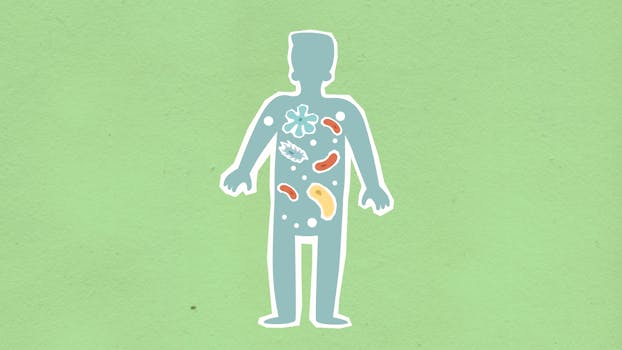
Human and animal studies generally agree on a few themes: fasting can increase microbial metabolic flexibility, alter diversity, and change metabolite profiles. The magnitude and direction vary by protocol.
Short-term fasting (hours to a day)
In the first 12–24 hours, your gut environment begins transitioning from “fed” to “fasting.” Microbial activity related to carbohydrate fermentation can drop. At the same time, microbes may shift toward using available glycans and other substrates. You might also see changes in bile acids, which are important signaling molecules that shape microbial composition.
In practical terms, this is why some people notice changes in bowel habits during short fasts. It’s not necessarily harmful—it’s often a reflection of altered gut motility and substrate availability.
Intermittent fasting patterns (e.g., 16:8 or 14:10)
With intermittent fasting, you still eat daily, just in a narrower window. Many studies of time-restricted eating report improvements in metabolic markers and sometimes changes in microbiome composition and function. However, results aren’t uniform. Diet quality during your eating window is a major driver.
If your eating window includes adequate fiber, you’re more likely to support SCFA production during fasting-adjacent periods. If your eating window is low in fiber and high in ultra-processed foods, you may not provide the substrates that beneficial microbes need, and the microbiome’s response to fasting may be less favorable.
Longer fasts (multi-day) and the risk of “starvation mode”
Studies on multi-day fasting (typically 2–7 days, sometimes longer in clinical contexts) suggest stronger shifts in microbial composition and metabolite patterns. The gut may become more dependent on host-derived substrates such as mucus and glycoproteins. This can be a concern if the gut barrier is already compromised or if you have conditions like inflammatory bowel disease.
Longer fasting can also reduce total microbial activity. While some changes may be adaptive, prolonged substrate limitation can reduce diversity or shift the ecosystem toward organisms that can tolerate low nutrient availability. That doesn’t automatically mean “bad,” but it does mean you should be cautious if you’re considering extended fasts—especially without medical supervision.
Microbial diversity vs. microbial function: what matters most
People often focus on “diversity numbers,” but gut health is more closely tied to function. Diversity can decrease without necessarily causing harm in the short term; conversely, diversity can remain high while function changes in ways that affect inflammation or barrier integrity.
When fasting changes the microbiome, it often changes:
- Carbohydrate fermentation patterns (how microbes process available sugars and fibers)
- SCFA production (particularly butyrate, which supports colonocyte energy and barrier function)
- Secondary metabolite signaling (including bile acid transformations)
- Immune-active metabolites (molecules that influence inflammatory pathways)
A useful way to interpret this: fasting acts like a “reset” of nutrient inputs. The microbiome doesn’t reset to a single universal state. It reconfigures based on what you consistently provide when you’re not fasting.
Short-chain fatty acids and why they often change during fasting
SCFAs—especially butyrate—are produced when gut microbes ferment fibers and certain carbohydrates. They support the gut lining, strengthen barrier integrity, and influence immune signaling.
During fasting, less fermentable substrate may reach the colon. That can reduce SCFA production temporarily for some people. However, if your overall diet includes sufficient fiber and varied plant foods, your microbiome may maintain SCFA-related functions better.
Real-world scenario: Imagine two people starting a 16:8 schedule. Person A eats a high-fiber pattern (beans, lentils, oats, vegetables, nuts) during the 8-hour window. Person B eats mostly refined grains and low-fiber snacks. In Person A, microbes have more “infrastructure” for fermentation, and SCFA production may remain relatively stable or recover quickly after meals. In Person B, the ecosystem has fewer fibers to ferment, so fasting may amplify reductions in SCFA-related activity. You can see why diet quality during the eating window becomes a major determinant of gut outcomes.
Bile acids, fasting, and microbiome signaling
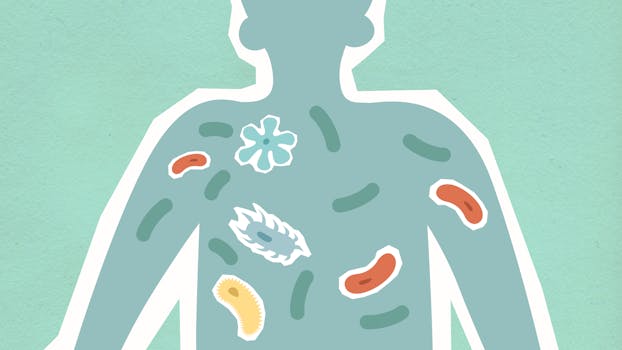
Bile acids are not just for fat digestion. They are also signaling molecules that shape microbial communities and metabolic pathways. Fasting can alter bile acid secretion and circulation, which in turn can influence which microbes thrive.
Some gut bacteria convert primary bile acids into secondary bile acids. These transformations can affect:
- Gut barrier function
- Inflammatory signaling
- Metabolic regulation through receptors like FXR and TGR5
If your fasting pattern changes bile acid profiles, the microbiome may respond by shifting its bile-metabolizing activity. This is one reason fasting can sometimes improve metabolic health markers even when weight loss is modest.
Gut motility, fasting, and how symptoms show up
Your gut isn’t only a microbial ecosystem; it’s also a moving tube with nerves, hormones, and regular contractile patterns. Fasting changes meal timing and can influence motility.
Common experiences include:
- Constipation or irregularity during early fasting adaptation
- Changes in gas as fermentation patterns shift
- Acid reflux in some people if meal timing is late or portions are large
These symptoms don’t automatically mean your microbiome is “damaged.” Often, they reflect short-term changes in motility and substrate delivery. Still, if symptoms are severe, persistent, or accompanied by blood, fever, or significant abdominal pain, you should seek medical evaluation.
How to fast in a gut-supportive way (practical guidance)
If you want fasting to support your gut health microbiome rather than disrupt it, focus on two levers: substrates and adaptation.
1) Prioritize fiber and plant diversity during eating windows
Aim for consistent fiber intake rather than “making up” fiber only at the end of the day. Many people benefit from targeting roughly 25–38 grams of fiber per day (the exact target depends on body size and dietary pattern). If you increase fiber, do it gradually over 1–2 weeks to reduce gas and bloating.
Practical options include:
- Legumes 3–5 times per week
- At least 2–3 servings of vegetables daily
- Whole grains (oats, barley, brown rice) if tolerated
- Nuts and seeds in moderate portions
Fiber types matter too. Soluble fibers (like oats, chia, psyllium) often support beneficial fermentation, while certain insoluble fibers support bulk and motility.
2) Use a gradual fasting ramp
If you’re new to fasting, start with a mild time restriction such as 12:12 (12 hours fasting, 12 hours eating) for several days, then move to 14:10, and only then consider 16:8 if you tolerate it well. This gives your gut and your microbiome time to adapt.
Sudden changes can cause more noticeable GI symptoms, partly because your gut motility and feeding cues shift abruptly.
3) Avoid “empty calories” during eating windows
Fasting doesn’t replace the need for nutrients. If your eating window is dominated by low-fiber, highly refined foods, you may reduce the substrates that support SCFA-producing microbes. In that scenario, fasting may make the gut ecosystem more fragile.
Instead of focusing only on meal timing, make sure meals include proteins, fats, and carbohydrates with enough fiber and micronutrients.
4) Consider electrolyte and hydration needs
Water balance affects gut motility. Some people also notice that low sodium intake during fasting affects how their body handles fluid. If you’re fasting for longer than 24 hours or if you’re prone to dehydration, consider discussing electrolyte strategy with a clinician.
For shorter daily fasts, simply maintaining normal hydration and not skipping fluids can help reduce constipation and discomfort.
5) Don’t ignore warning signs
Be cautious if you have a history of eating disorders, are pregnant or breastfeeding, have diabetes treated with medications that risk hypoglycemia, or have active gastrointestinal disease. The gut microbiome is closely tied to immune function, and fasting can be inappropriate or risky in some medical contexts.
Who should be especially careful with fasting and gut changes
Fasting affects everyone differently. You should be extra cautious if you:
- Have inflammatory bowel disease (Crohn’s or ulcerative colitis)
- Have a history of severe GI symptoms triggered by diet changes
- Have chronic constipation or motility disorders
- Take medications that require food timing
- Have undernutrition or unintentional weight loss
In these cases, it’s often safer to use a clinician-guided approach focused on gut-friendly nutrition rather than strict fasting protocols.
Prevention and long-term gut resilience during fasting
Think of fasting as a tool, not a permanent lifestyle requirement. Gut health microbiome resilience is built through consistency: repeated exposure to diverse plant fibers, healthy meal patterns, adequate sleep, and stress management.
If you want to maintain a gut-friendly microbiome while using fasting, consider these prevention principles:
- Keep fiber steady across weeks, not just days.
- Include fermented foods if you tolerate them (e.g., yogurt with live cultures, kefir, sauerkraut). Fermented foods may support microbial diversity and function, though responses vary.
- Maintain regular sleep because circadian disruption can alter gut microbial rhythms.
- Strengthen the “after fasting” meal: when you break a fast, choose balanced meals rather than very large, low-fiber meals.
- Monitor symptoms over 2–4 weeks. Microbiome-related changes often show up as patterns, not one-off events.
In many people, a sustainable plan is one where fasting is moderate (like 12:12 to 16:8), fiber intake is high, and GI symptoms remain mild and transient.
Key takeaways on fasting and gut health microbiome
- Fasting changes the nutrient inputs that your gut microbes use, shifting microbial activity within hours to days.
- Microbial function (including SCFA production and bile acid transformations) often matters more than simple diversity counts.
- Diet quality during your eating window strongly determines whether fasting supports gut health or increases GI discomfort.
- Short-term and intermittent fasting may be tolerated well when fiber intake is adequate and fasting is introduced gradually.
- Longer fasts can cause larger microbial shifts and may be risky for people with certain GI or metabolic conditions.
If you approach fasting as a structured change in meal timing—and you keep fiber and overall nutrition solid—you’re more likely to support a microbiome that promotes gut barrier health and metabolic resilience.
15.04.2026. 12:31