

Wearable Respiration Rate Accuracy: FAQ Guide

Wearable devices can estimate respiration rate from wrist signals or other sensors, but accuracy depends on how the measurement is made and how the body is moving. This FAQ hub explains what “respiration rate” means in wearables, what influences wearable respiration rate accuracy, and how to interpret readings in real-world conditions.
How do wearables measure respiration rate?
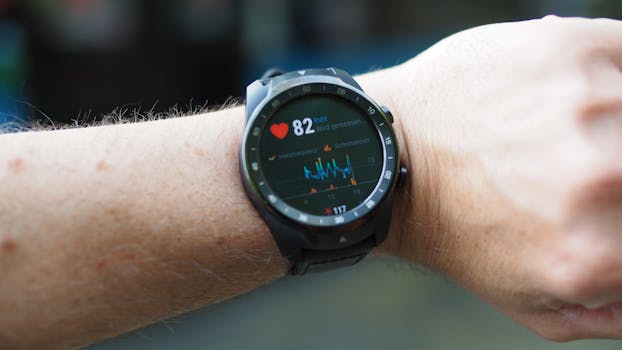
Most wearables estimate respiration rate indirectly. Common approaches include analyzing subtle chest or torso motion, detecting breathing-related changes in skin blood flow, or using optical sensors (like PPG) to infer breathing patterns. Some devices also use motion sensors (accelerometer/gyroscope) to separate breathing-related movement from general activity. The device’s signal-processing algorithms then convert those patterns into breaths per minute (BPM).
What does “respiration rate accuracy” mean for wearables?
Respiration rate accuracy refers to how closely a wearable’s estimated BPM matches a reference measurement, such as a clinical capnography system or trained manual counting under controlled conditions. In practice, wearable accuracy varies with sensor placement, individual physiology, signal quality, and activity level. Many devices report an estimate rather than a direct measurement, so accuracy is best thought of as “closeness under specific conditions,” not a fixed number for everyone.
Which factors most affect wearable respiration rate accuracy?
Several variables can change the quality of the breathing signal:
- Movement and posture: talking, walking, fidgeting, or changing positions can introduce artifacts.
- Sensor fit and placement: a loose band or incorrect placement can degrade the signal.
- Skin contact and temperature: cold hands, sweat, or dry skin can affect optical readings.
- Breathing pattern: shallow, irregular breathing, or very slow breathing may be harder to detect.
- Individual anatomy: differences in chest motion and tissue properties can shift signal characteristics.
- Algorithm behavior: smoothing, filtering, and outlier rejection can trade responsiveness for stability.
Why do respiration rate readings change during exercise or movement?
During exercise, the body’s motion and increased heart rate can mask the subtle breathing-related signal that wearables rely on. Even if the device is trying to isolate breathing patterns, accelerometer noise and changes in blood flow can create confusion. As a result, respiration rate may appear more variable, lag behind real changes, or drift toward values influenced by overall activity rather than true ventilation.
How accurate are wearables when you are resting?
Respiration rate estimates are usually most stable when you are still, seated, or asleep. Rest reduces motion artifacts and makes breathing-related signals easier to isolate. Even then, accuracy can vary across individuals. If your device provides “sleep” or “rest” metrics, those often reflect conditions where the signal is cleaner. For best reliability, ensure the sensor is snug and wait a few minutes after putting it on for the device to calibrate to your baseline signal quality.
Can a wearable respiration rate reading be used to detect illness?
Wearables can sometimes flag unusual breathing patterns, but they are not diagnostic tools. When you’re sick, respiration rate may increase due to fever, pain, anxiety, or respiratory conditions. However, many non-medical factors can also alter breathing rate, including stress and poor sleep. If your wearable shows sustained changes—especially alongside symptoms like shortness of breath, chest pain, wheezing, or dizziness—use the reading as a prompt to consider medical evaluation rather than relying on the number alone.
How can you validate wearable respiration rate accuracy at home?
You can approximate validation by comparing the wearable estimate to manual counting for a short interval. Sit quietly, place the device correctly, and note the wearable’s BPM. Then count breaths for 30 seconds and multiply by two (or count for 60 seconds for greater stability). Do this more than once to reduce random variation. If possible, compare under consistent conditions (same posture, similar time of day, minimal movement). Keep in mind that manual counting is also subject to error, especially if you lose track of the breathing cycle.
What should you do if the readings look unusually high or low?
First, check for obvious signal-quality issues: a loose band, poor skin contact, or a sensor shifted from its intended position. Next, consider context—were you talking, moving, or stressed? Then look for pattern consistency over time. A single spike may be an artifact. Sustained elevation or reduction across multiple resting sessions is more meaningful. If the change is accompanied by concerning symptoms, seek appropriate medical guidance.
Do sleep tracking features improve respiration rate accuracy?
Sleep-based metrics can improve reliability because the body is relatively still and breathing is more regular. Many devices also apply additional processing to separate wakeful movement from sleep breathing signals. Still, accuracy is not guaranteed; interruptions like tossing and turning, sleep apnea events, or sensor slippage can affect estimates. If your device provides sleep stage information, note that the respiration estimate may behave differently across stages.
How does sensor type and device design influence breathing estimates?
Wearables vary in how they detect the underlying signal. Optical sensors (PPG), accelerometers, and sometimes dedicated respiration algorithms or additional hardware (depending on the model) all influence results. Devices that rely on chest motion may perform differently than those inferring breathing from blood flow changes. Even within the same brand ecosystem, different models can use different sampling rates and filtering strategies, which can change responsiveness and stability.
Why might respiration rate accuracy differ between people?
Individual physiology affects how breathing-related signals appear to sensors. Chest wall compliance, body composition, skin properties, and baseline heart rate can change the strength and timing of the detectable pattern. Some people naturally breathe with more pronounced movement; others have subtler chest motion. Anxiety and breathing habits also matter—slow, irregular breathing can be harder to interpret. These differences don’t imply the device is “wrong”; they mean the signal may be clearer for some users than others.
How long does it take for a wearable to settle into accurate measurements?
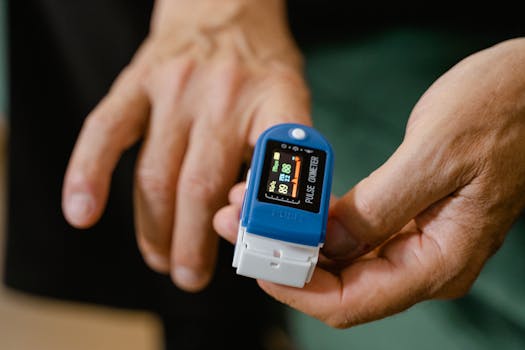
Most wearables need a short period after placement to establish stable contact and baseline signal quality. In practical terms, give the device a few minutes before trusting respiration rate trends. If the band is adjusted, repositioned, or becomes loose, allow time to re-stabilize. During the first minutes, algorithms may be more conservative or produce noisier estimates while they adapt to your signal.
What measurement settings or habits improve breathing signal quality?
Small changes can improve the stability of respiration estimates:
- Wear the device snugly: consistent contact reduces signal dropouts.
- Keep posture steady during checks: seated and still is easier than standing or walking.
- Avoid measuring right after vigorous movement: let your breathing settle.
- Maintain skin readiness: wipe excess sweat or ensure the sensor area is not overly dry.
- Check for fit drift: bands that rotate or slide during the day can degrade readings.
Many users also find that respiration rate graphs are more interpretable when reviewed over minutes rather than seconds, because breathing is a slow physiological rhythm and algorithms often smooth the signal.
Do wearable respiration rate metrics correlate with clinical measurements?
Correlation can exist, especially for resting measurements, but the relationship is not identical for every person and every condition. Clinical reference tools measure respiration more directly, while wearables infer it from sensor data. That means you may see close agreement in some scenarios and wider gaps in others—particularly during motion, irregular breathing, or poor signal contact. If you need clinical-grade certainty, use medical devices or professional testing.
How should you interpret respiration rate alerts and trends over time?
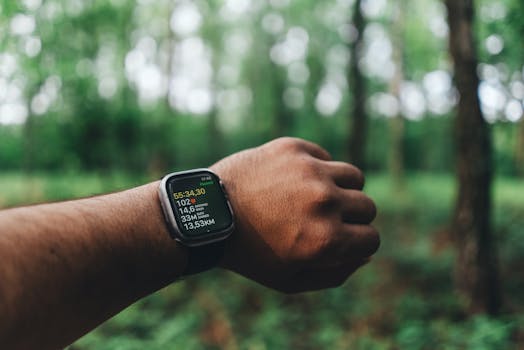
Interpret alerts as “possible changes,” not definitive diagnoses. Focus on trends: a sustained shift over repeated resting periods is more informative than a single outlier. Also consider correlating with context such as sleep quality, stress, caffeine intake, hydration, and recent illness. If your wearable supports exporting data or viewing historical patterns, look for whether the change persists across days. When symptoms are present—especially shortness of breath, persistent chest discomfort, fainting, or cyanosis—treat the situation as urgent and seek medical care.
Does using multiple wearables improve wearable respiration rate accuracy?
Using multiple devices can help you understand variability, but it doesn’t guarantee higher accuracy. Different wearables may use different sensing methods and algorithms, so they can disagree even when both are processing valid signals. If you choose to compare devices, do it under the same conditions (resting posture, similar time of day, consistent fit) and evaluate whether the direction of change matches your manual count. The goal is to understand your personal pattern and device behavior, not to average away uncertainty.
Relevant note on reading device metrics
Some wearables—such as Garmin, Fitbit, Apple Watch, or Oura—may present respiration rate as a daily summary, sleep metric, or real-time estimate depending on the model and firmware. Labels and update cadence can differ, which affects how quickly changes appear and how smooth the values look. When reviewing respiration rate accuracy, always interpret the metric within the device’s stated measurement context (rest vs sleep vs active tracking).
Wearable respiration rate accuracy is strongest when you are still, the sensor has good contact, and breathing is regular—often during rest or sleep. Because most devices estimate breathing indirectly, readings can drift during movement or when signal quality drops. Use trends, validate occasionally with careful manual counting, and treat alerts as context signals, especially if symptoms are present.
04.04.2026. 08:30