

ODI SpO2 Interpretation for Athletes: Practical Guidance

Why ODI SpO2 matters for athletic performance
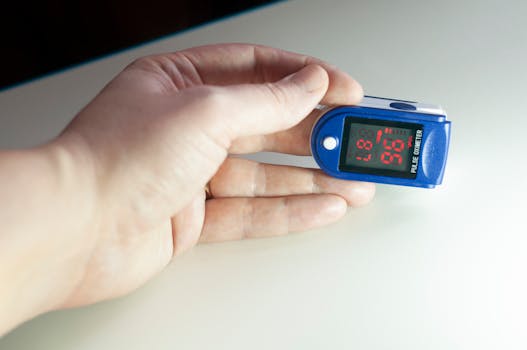
ODI SpO2 interpretation for athletes has become increasingly relevant as wearables and sleep studies make oxygen desaturation data more accessible. Intermittent drops in oxygen saturation during sleep (or during recovery periods) can reflect breathing instability, sleep-disordered breathing, or other physiological stressors that may not be obvious from resting heart rate or perceived sleep quality alone.
For athletes, the practical concern is not simply whether oxygen saturation falls at any moment. The key question is whether desaturation events are frequent, how deep they are, and how long the body takes to recover. These patterns can influence recovery, training readiness, cognitive function, mood, and long-term health. ODI—oxygen desaturation index—offers a structured way to quantify those events.
This article explains what ODI SpO2 represents, how to interpret common thresholds, what factors can confound readings, and how athletes and performance staff can use ODI information responsibly alongside training data and clinical guidance.
What ODI SpO2 actually measures
ODI (oxygen desaturation index) describes the number of oxygen saturation drops per hour of recording. The “SpO2” portion refers to arterial oxygen saturation, typically measured indirectly through pulse oximetry. In many systems, ODI is calculated using a specified desaturation magnitude and a minimum duration or recovery criterion.
Common ODI definitions include:
- ODI3: number of desaturation events where SpO2 drops by at least 3 percentage points from baseline.
- ODI4: number of desaturation events where SpO2 drops by at least 4 percentage points from baseline.
- ODI5: number of desaturation events where SpO2 drops by at least 5 percentage points from baseline.
Some devices use different naming conventions or apply proprietary algorithms, but the conceptual goal is consistent: quantify intermittent hypoxemia during sleep or monitored rest.
It’s also important to understand that ODI is not the same as mean SpO2. A person can have a relatively normal average saturation while experiencing repeated short desaturation events that still matter for recovery and cardiovascular strain.
How to interpret ODI numbers: frequency, depth, and context
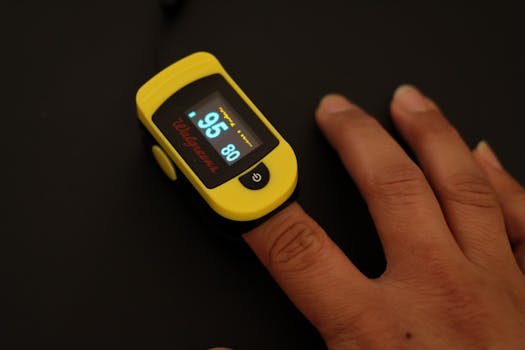
Interpreting ODI for athletes requires attention to three dimensions: how often desaturation occurs (events per hour), how severe each event is (drop magnitude and nadir), and what else is happening around those events (sleep stage, position, respiratory effort, movement artifacts, and training load).
1) Frequency: events per hour
Higher ODI values indicate more frequent desaturation episodes. In clinical sleep medicine, ODI is often used to categorize the severity of sleep-disordered breathing. For athletic interpretation, the same principle applies: a high event rate suggests repeated physiological stress during the night, which can accumulate as fatigue and impaired recovery.
However, exact cutoff values depend on the ODI definition (e.g., ODI3 vs ODI4 vs ODI5), the recording time (total sleep time vs total recording time), and the device’s signal processing. If your platform provides both ODI and the underlying SpO2 trace quality metrics, use those details rather than relying on a single number.
2) Depth: desaturation magnitude and nadir
ODI3 counts smaller drops than ODI5. An athlete might show a moderate ODI3 but a low ODI5, suggesting frequent mild dips rather than fewer, deeper hypoxic events. The physiological impact is not identical across those patterns. Deeper desaturation generally carries more risk and more likely correlates with sleep fragmentation and sympathetic activation.
When reviewing results, look for:
- Desaturation magnitude (3%, 4%, 5% thresholds or the device’s equivalent).
- Nadir SpO2 (the lowest saturation reached during events).
- Recovery time (how quickly saturation returns to baseline).
Long recovery time after each event can be particularly relevant for athletes because it may coincide with reduced oxygen availability during key sleep stages that support recovery.
3) Context: sleep stage, position, and artifacts
ODI events are not uniformly distributed across the night. Some athletes experience more events in specific positions (e.g., supine sleeping) or during certain sleep stages. If your dataset provides timestamps or stage associations, use them to determine whether the pattern is consistent or sporadic.
Signal artifacts can also inflate ODI. Common causes include:
- Motion (restlessness, tossing/turning)
- Cold extremities (reduced peripheral perfusion)
- Loose sensor fit
- Skin tone and tissue characteristics (affecting optical readings)
- Ambient light interference
A practical approach is to check whether high ODI occurs alongside poor signal quality flags. If the SpO2 waveform looks unstable or the device indicates low confidence, interpret ODI cautiously.
Common athlete-relevant causes of oxygen desaturation events
ODI is a measurement, not a diagnosis. Several mechanisms can produce intermittent desaturation during sleep or recovery. Understanding the likely cause helps you interpret the training implications and determine whether clinical evaluation is warranted.
Sleep-disordered breathing (including obstructive sleep apnea)
One of the most common drivers of repeated desaturation events is obstructive sleep apnea (OSA) or related breathing instability. In OSA, airflow limitation leads to intermittent drops in oxygen saturation, often with sleep fragmentation and sympathetic activation.
Athletes can have OSA even if they are lean or have excellent cardiovascular fitness. Anatomical factors (upper airway structure), nasal obstruction, alcohol or sedative effects, and recent weight changes can contribute.
Exercise physiology and recovery state
ODI events during nighttime recovery can be influenced by the athlete’s overall recovery status. Heavy training blocks, travel fatigue, and inconsistent sleep schedules can increase sleep fragmentation and alter breathing stability. While training load does not “cause” OSA, it can change symptom expression and the body’s resilience.
Some athletes also notice changes in ODI during altitude exposure or after returning to sea level. Altitude can alter baseline oxygen saturation and affect the frequency of desaturation relative to each device’s thresholds.
Upper airway factors and nasal breathing limitations
Nasal congestion, deviated septum, allergies, and chronic rhinitis can worsen breathing during sleep. When nasal breathing is impaired, athletes may switch to mouth breathing, potentially increasing the likelihood of airway collapse or unstable breathing patterns that show up as ODI events.
Alcohol, sedatives, and timing of recovery behaviors
Alcohol can relax upper airway muscles and increase the likelihood of obstructive events. Sedatives and some sleep aids can also reduce respiratory drive. For athletes, even occasional use near bedtime can alter ODI metrics in the following night.
If ODI increases after specific lifestyle changes, treat those patterns as actionable signals for sleep hygiene and bedtime routines.
Altitude, illness, and airway inflammation
Respiratory infections and airway inflammation can increase desaturation events. Similarly, altitude exposure can shift the oxygen saturation baseline and increase the frequency of desaturation relative to a fixed threshold definition. When interpreting ODI, always account for recent illness and environmental changes.
Device considerations: interpreting ODI from wearables vs clinical oximetry
ODI values depend on measurement technology. Many consumer wearables estimate SpO2 using optical sensors that can be sensitive to motion and perfusion changes. Clinical systems use validated oximetry and typically include additional signals (airflow, respiratory effort, EEG) for sleep staging and breathing event classification.
To interpret ODI responsibly:
- Use intra-device consistency: compare your ODI trends over time on the same platform and sensor setup.
- Check signal quality: interpret high ODI only when the device reports adequate data quality.
- Understand the ODI definition: confirm whether the device uses ODI3/4/5 or another threshold.
- Prefer total sleep time when available: some devices calculate per hour of recording rather than per hour of sleep, which can change values.
When ODI is high or rising, clinical confirmation can clarify whether the events represent true hypoxemia from breathing disorders or measurement artifacts. A sleep specialist can use polysomnography or home sleep apnea testing and correlate ODI with respiratory indices.
Practical guidance: how athletes can use ODI trends for better decisions

ODI interpretation for athletes is most useful when it supports a structured review process. Rather than reacting to a single night, evaluate patterns across weeks and connect them to symptoms and training readiness.
Step 1: Establish a baseline and review data quality
Collect at least several nights under typical conditions. Identify nights with poor sensor contact or obvious motion artifacts and exclude them from trend interpretation. If the platform provides a “wear time,” “signal quality,” or “confidence” score, treat those as part of the analysis.
Step 2: Look for consistency and direction of change
Consider whether ODI is:
- Stable across training weeks
- Increasing during heavy load blocks
- Triggered by travel, altitude, or lifestyle changes
- Higher on certain positions or sleep routines
Trends often matter more than absolute values because they reflect the athlete’s current physiological environment and recovery conditions.
Step 3: Correlate ODI with performance and recovery signals
ODI should be interpreted alongside athlete-specific indicators such as:
- Sleep duration and regularity
- Morning freshness and subjective sleep quality
- Heart rate variability trends (if your program tracks them)
- Resting heart rate and training readiness
- Daytime sleepiness or reduced concentration
- Exercise tolerance during key sessions
If ODI rises while subjective recovery worsens and resting physiology shifts, it strengthens the case that the desaturation pattern is meaningful.
Step 4: Use “pattern recognition” for likely causes
While you can’t diagnose from ODI alone, some patterns point toward specific next steps:
- High ODI with frequent deep drops: consider evaluation for sleep-disordered breathing.
- ODI spikes only after alcohol or late-night changes: review bedtime behaviors.
- ODI increases during nasal congestion weeks: consider allergy management and nasal airflow support.
- ODI changes after altitude or illness: interpret within environmental/health context.
Interpreting ODI alongside symptoms: when to escalate
ODI is a useful biomarker, but athletes may not always feel symptoms until the pattern is significant or persistent. Escalation decisions should be based on both ODI metrics and clinical red flags.
Common symptoms that raise concern
- Unrefreshing sleep despite adequate duration
- Morning headaches
- Excessive daytime sleepiness or nodding off
- Reduced concentration or cognitive slowing
- High blood pressure or new cardiovascular concerns
- Witnessed breathing pauses or loud snoring (if known)
If ODI is elevated and these symptoms appear, a clinician evaluation becomes more important. Athletes should treat this as a health priority, not merely a performance metric.
Why athletes sometimes underreport sleep-related issues
In high-performance environments, athletes often normalize poor sleep as “part of training.” They may also push through fatigue and attribute sleepiness to overreaching rather than breathing instability. ODI can help reveal underlying problems, but it should not replace symptom reporting to a healthcare professional.
What a clinician may do next
A sleep specialist may recommend home sleep apnea testing or an in-lab polysomnogram. These tests can clarify whether ODI reflects obstructive events, central events, periodic breathing, or measurement artifacts. The output can guide targeted treatment and improve both health and performance.
Prevention and mitigation strategies that can reduce desaturation events
Even without a definitive diagnosis, athletes can often reduce the frequency of desaturation events by addressing modifiable factors that affect airway stability and sleep quality.
Optimize sleep scheduling and recovery routines
Consistent bed and wake times support stable sleep architecture. Large shifts in schedule—common during travel or competition—can worsen sleep fragmentation and potentially increase desaturation events.
Manage nasal airflow
Addressing nasal obstruction can improve breathing stability. This may include allergy control, congestion management, and ensuring that the sleeping environment supports nasal comfort (e.g., humidity, cleanliness, and airflow). Athletes should coordinate with clinicians for medication guidance when needed.
Review alcohol and bedtime timing
If ODI worsens after alcohol or sedative use, reducing timing and frequency may help. For athletes, even small changes can influence upper airway tone and respiratory stability.
Consider positional strategies
Some athletes experience more events in certain sleeping positions. If your data includes position-related information, positional changes may reduce ODI frequency. This should be considered alongside comfort and sleep quality.
Be cautious with “training to fix sleep”
Training can improve sleep quality over time, but excessive training without adequate recovery can worsen sleep fragmentation. ODI may rise during overreaching not because training “creates” desaturation, but because the body becomes less resilient. Use ODI trends to guide recovery planning rather than forcing more training.
Common pitfalls in ODI SpO2 interpretation for athletes

Misinterpretation is common when athletes treat ODI as a single truth value. The most frequent pitfalls include:
- Overreacting to one night: ODI varies with illness, travel, and sensor placement.
- Ignoring signal quality: motion artifacts can inflate desaturation counts.
- Comparing across devices: thresholds and algorithms differ, so absolute values may not translate.
- Confusing average SpO2 with event-based risk: ODI captures intermittent drops that average values can miss.
- Assuming “normal” ODI means no breathing disorder: mild cases can still affect recovery, and symptoms can occur with lower ODI depending on event characteristics.
How to review ODI data with a performance technology mindset
A practical review process helps teams use ODI responsibly without turning sleep oximetry into noise. Performance technology workflows typically work best when they integrate ODI with other signals and apply consistent decision rules.
Use a structured nightly log
Track sleep duration, time in bed, bedtime behaviors (alcohol, late meals), illness symptoms, and travel or altitude exposure. Then align those entries with ODI events and SpO2 nadirs.
Apply trend-based thresholds rather than single-number alarms
Instead of reacting to one elevated ODI night, look for sustained changes across multiple nights. A persistent upward trend plus worsening recovery signals is more meaningful than a transient spike.
Coordinate with clinical expertise when needed
When ODI is consistently high, especially alongside symptoms, involve a clinician. In many programs, a sports medicine physician or sleep specialist can integrate ODI with a broader health picture.
For athletes using consumer devices (including wrist-worn SpO2 sensors and ring-based oximetry), it can be helpful to treat the data as a screening signal. If the pattern suggests breathing instability, clinical testing provides the diagnostic clarity that wearables cannot.
Summary: using ODI SpO2 interpretation to protect recovery
ODI SpO2 interpretation for athletes focuses on intermittent oxygen desaturation events quantified per hour. The most useful way to interpret ODI is to consider event frequency (ODI3/4/5), event depth and recovery, and the measurement context including signal quality and sleep conditions.
For performance outcomes, ODI becomes actionable when it aligns with recovery changes, symptom reports, and consistent trends over time. Athletes should also recognize that ODI is not a diagnosis; persistent elevated ODI—especially with symptoms—warrants clinical evaluation for sleep-disordered breathing or other causes.
By combining structured data review with practical prevention strategies (sleep regularity, nasal airflow support, and mindful bedtime behaviors), athletes can reduce physiological stress during recovery and support training effectiveness.
FAQ: ODI SpO2 interpretation for athletes
What ODI level is considered “high” for athletes?
“High” depends on the ODI definition (ODI3 vs ODI4 vs ODI5), the device’s calculation method, and whether the metric is per hour of sleep or per hour of recording. In general, higher event counts and deeper desaturations are more concerning, especially if they are consistent across nights and paired with symptoms. For clear thresholds, clinicians rely on validated sleep testing definitions.
Is a high ODI always caused by sleep apnea?
No. ODI can increase due to obstructive sleep apnea, other breathing instability, nasal obstruction, altitude effects, respiratory illness, and sometimes measurement artifacts from motion or poor sensor contact. Symptom patterns and clinical testing help determine the cause.
Can athletes have elevated ODI even if they feel fine?
Yes. Some athletes adapt to chronic sleep disruption or misattribute fatigue to training load. That’s why pairing ODI trends with recovery markers (morning freshness, resting physiology, concentration) and symptom screening is important.
How can I tell if my ODI reading is affected by sensor issues?
Look for poor signal quality flags, unstable SpO2 waveforms, unusual spikes on nights with lots of movement, and inconsistent results after adjusting sensor fit or warmth/perfusion. When data quality is questionable, treat ODI as a less reliable indicator.
Should athletes chase lower ODI at all costs?
The goal is not a specific ODI number. The goal is better recovery and health. If ODI is persistently elevated, the right approach is to identify likely causes and address modifiable factors. If needed, clinical evaluation can provide targeted treatment rather than trial-and-error.
Does training load affect ODI?
Training load can influence sleep quality and breathing stability indirectly through fatigue, stress, and recovery status. While training doesn’t typically “create” obstructive anatomy, it can change how the body tolerates night-time breathing instability. Monitoring ODI trends alongside training blocks can help interpret these relationships.
03.05.2026. 15:24