

microbiome friendly oral routine: a step-by-step guide

Goal: build a microbiome friendly oral routine that supports your mouth’s ecosystem
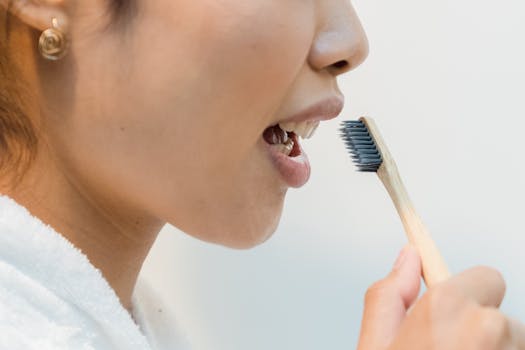
Your mouth isn’t sterile. It’s a living habitat where helpful microbes compete with harmful ones. A microbiome friendly oral routine aims to keep that balance—by cleaning effectively, avoiding harsh over-treatment, and using products that support the surface environment rather than stripping it bare.
When you do this consistently, you’re not just chasing “clean teeth.” You’re supporting healthier gums, reducing plaque buildup, and making it harder for acid- and inflammation-driving bacteria to take over.
Preparation: what you need before you start
Before changing your routine, set yourself up so the steps are realistic. You don’t need everything at once, but having the right basics prevents “half-done” habits.
- A soft-bristle toothbrush (manual or electric). Soft bristles reduce abrasion and irritation.
- Floss or interdental cleaning tools: dental floss, floss picks, or interdental brushes sized for your gaps.
- A tongue scraper or a toothbrush with a tongue-cleaning surface.
- Fluoride toothpaste (for cavity protection). If you can, choose one that you tolerate well.
- Optional mouth rinse: consider a gentle, alcohol-free rinse if you need one (especially if you’re prone to dry mouth).
- Timing support: a kitchen timer or phone reminder for the first 1–2 weeks.
- Hydration plan: water bottle within reach, especially if you work at a desk.
Real-world scenario: imagine you’re back-to-back busy at work and you usually “brush fast” and skip floss. Your new routine will fail if it takes too long. Your goal is to make the steps fit into a predictable 2–3 minute morning routine and a 3–4 minute nighttime routine.
Step-by-step: your microbiome friendly oral routine
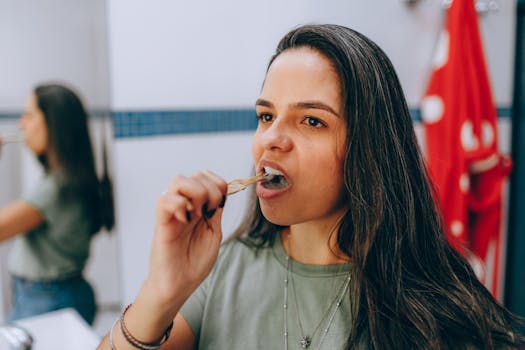
- Brush for 2 minutes, twice daily, with gentle pressure
Use a pea-sized amount of toothpaste. Aim the bristles at the gumline at about a 45-degree angle. Use small, slow motions rather than scrubbing. If you’re using an electric toothbrush, let it do the work—move slowly from tooth to tooth.
Target time: 2 minutes per session. Most people underestimate this. Set a timer for the first week. - Spit, don’t rinse aggressively
After brushing, spit out excess foam. If you rinse with lots of water, you may wash away fluoride and leave less protective residue on enamel. A light rinse is fine, but avoid “swishing and clearing” like you’re cleaning a sink. - Floss or clean between teeth before your final rinse
Do this once daily—at night is usually best because it removes food debris before you sleep. If flossing feels tricky, start with 30–60 seconds per side and build up. Work gently along the sides of each tooth in a “C-shape,” moving below the gum margin without snapping the floss.
Practical example: If you’re using floss picks, keep them slow and deliberate. Fast, forceful movements irritate gums and can make you skip the habit next day. - Choose interdental brushes if you have wider gaps
If floss alone doesn’t reach well, interdental brushes can be more effective. Use the smallest size that fits without forcing. Aim for a few gentle passes per space. Overstuffing or aggressive scrubbing can irritate tissue. - Clean your tongue for 10–20 seconds
Bacteria accumulate on the tongue’s surface. Use a tongue scraper or the tongue-cleaning side of your toothbrush. Start from the back and pull forward with moderate pressure. Rinse the scraper as needed.
Why it matters: reducing tongue biofilm can improve mouth odor and help your morning breath stay steadier. - Wait after eating before brushing when possible
If you eat something acidic (citrus, soda, sour candies), consider waiting 30 minutes before brushing. Acid temporarily softens enamel. Brushing immediately can increase wear. If you can’t wait, rinse with water and then brush later. - Use mouthwash strategically, not automatically
If you want a rinse, pick an option that fits your needs. Alcohol-free is often kinder if you feel dry or sensitive. If you use an antimicrobial rinse, follow the label and avoid stacking multiple strong products daily unless your dentist advises it.
Simple rule: one rinse when needed, not several products at once. - Keep your routine consistent for 2–4 weeks
Your oral ecosystem responds to routine. Don’t judge results after two days. Stick to the same core steps for at least 2 weeks, then adjust one variable at a time (like floss technique or rinse frequency). - Support saliva with water throughout the day
Saliva buffers acids, helps remineralize enamel, and keeps microbes in balance. If you tend to breathe through your mouth, drink coffee all day, or take medications that dry you out, prioritize water. A helpful target is to sip regularly rather than chug occasionally. - Finish with a fluoride-forward habit
Night routines matter most for cavity prevention. Make sure your last step includes fluoride toothpaste brushing. If you use a nighttime rinse, keep it aligned with your toothpaste routine and don’t overdo it.
Common mistakes that disrupt a balanced oral microbiome
- Brushing too hard
Aggressive scrubbing can wear enamel and inflame gums. Use soft bristles and light pressure. - Skipping between-tooth cleaning
Toothbrushing alone can’t fully clean the spaces where plaque hides. If you only do one “upgrade,” make it daily floss or interdental cleaning. - Rinsing heavily after brushing
If you rinse until the mouth feels squeaky, you may remove fluoride protection. Spit and lightly rinse if needed. - Using multiple strong products at once
Stacking high-intensity rinses, abrasive whitening pastes, and frequent scrubbing can irritate tissues and throw off comfort. Choose one main product strategy and keep it steady. - Brushing immediately after acidic foods
If you do this often, you may increase enamel wear. Rinse with water and wait 30 minutes when you can. - Inconsistent tongue care
Skipping tongue cleaning for weeks can make odor and coating feel like a recurring problem. Keep the tongue step short and repeatable.
Additional practical tips to optimize your microbiome friendly oral routine
Make it easy: anchor your routine to existing habits
Attach your steps to what you already do. For example, after you brush your teeth at night, floss before you turn off the bathroom light. At lunch, rinse with water and keep your “deep clean” for evening. Consistency beats intensity.
Use the right amount of toothpaste and replace brushes on schedule
Use a pea-sized amount. Too much doesn’t improve cleaning, and it can increase foam that encourages rinsing. Replace your toothbrush every 3 months (or sooner if bristles fray). If you use an electric brush head, replace it according to the manufacturer’s interval, often around 3 months.
Adjust your routine based on your specific needs
Different mouths have different priorities. If you’re prone to gum bleeding, slow down. If you’re prone to dry mouth, focus on hydration and consider an alcohol-free rinse. If you have sensitive teeth, choose a toothpaste designed for sensitivity and keep brushing gentle.
Try a “two-minute night reset” on busy days
On nights when you’re exhausted, use a minimum viable routine rather than skipping everything:
- Brush 2 minutes with fluoride toothpaste
- Floss or use interdental brushes for just the most troublesome areas first
- Scrape your tongue for 10 seconds
Over time, even a simplified routine can be enough to maintain balance. Then, when your schedule improves, add full between-tooth cleaning for all teeth.
Consider product choices that support comfort
To keep your routine microbiome friendly, prioritize products that you can tolerate daily. Fluoride toothpaste helps protect enamel even while you aim for gentler cleaning. If you’re choosing mouthwash, consider alcohol-free options if dryness or burning is an issue. If you’re using whitening products frequently, make sure they don’t irritate your gums—irritation can make you avoid brushing properly.
Track one signal, not ten
Instead of obsessing over every detail, choose one measurable cue for 2–3 weeks. Examples:
- Less bleeding when flossing
- Lower morning mouth odor
- Less plaque buildup visible after 24–48 hours
When you see improvement, keep the routine steady. If you don’t, adjust only one step at a time—often floss technique or tongue care first.
When to get professional input
If you have persistent gum inflammation, frequent cavities, or you’re starting from a high-plaque situation, a dental professional can help you tailor the routine safely. This is especially important if you’re dealing with periodontal disease or orthodontic appliances, where interdental access changes.
Putting it together: a sample day you can follow
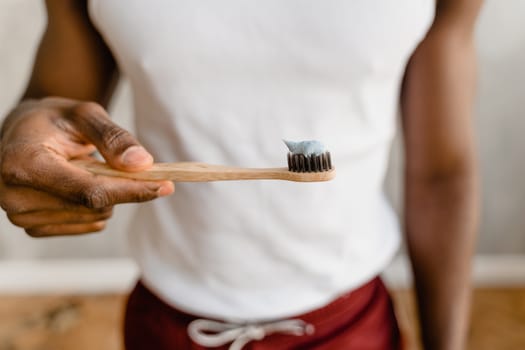
Here’s a practical example you can repeat:
- Morning (2–3 minutes): brush 2 minutes with fluoride toothpaste, spit, light rinse, then drink water as you start your day.
- Lunch (optional): water rinse after eating, especially if you had something sweet or acidic.
- Night (3–4 minutes): brush 2 minutes, floss/interdental clean once, scrape tongue for 10–20 seconds, then spit. If you use mouthwash, do it sparingly and follow the label.
If you work in an office and notice dry mouth by 3 p.m., keep water nearby and take small sips. That single habit can make your whole routine feel easier to maintain.
Keep your routine microbiome friendly by focusing on balance, not extremes
A microbiome friendly oral routine is about effective cleaning that doesn’t damage gums or enamel, plus daily habits that support saliva and gentle biofilm control. When you brush well, clean between teeth, and include short tongue care, you’re guiding your oral ecosystem toward stability.
Start with the steps you can do every day. After 2–4 weeks, refine what needs improvement—one change at a time.
23.04.2026. 18:19