

Light Therapy Circadian Reset: Red, Infrared, and Blue Timing

What you’re trying to reset: circadian timing and melatonin signals
When people say “light therapy circadian reset,” they usually mean one of two outcomes: shifting your body clock earlier or later, and improving sleep quality by controlling melatonin and alertness. Light is the steering wheel. The color, intensity, and timing are the difference between a reset that helps and one that does nothing (or even makes things worse).
In this comparison, you’ll evaluate three common approaches—red light, infrared, and blue blocking—and how their timing changes results. Red and infrared are often used for cellular and recovery-focused benefits, but they’re not the same as blue wavelengths for circadian signaling. Blue blocking is the “brake.” It reduces the circadian-stimulating effect of evening light, which can protect melatonin onset.
You’ll see how these methods compare side-by-side, including practical timing windows (like 0–30 minutes after waking and 2–3 hours before bedtime), what to expect in real life, and where each approach has clear strengths.
Quick summary: the strongest overall option for most people
If your goal is a reliable circadian reset and better sleep, the best overall starting point is usually morning bright light (often daylight-spectrum or “blue-enriched” white light) plus strict evening blue blocking. Red light and infrared can be useful add-ons, especially for comfort, recovery, and consistent routines—but they typically don’t replace blue’s role in shifting circadian timing.
In practice, a strong “default” looks like this:
- Morning (0–30 minutes after waking): use a bright light source (commonly 5,000–10,000 lux at eye level) to anchor your schedule.
- Evening (2–3 hours before bed): reduce blue exposure with blue-blocking glasses and dim, warm lighting.
- Red/infrared (optional): use after work or in the evening for relaxation and recovery, but don’t expect it to “do the circadian shifting” the way blue does.
That combination tends to outperform single-color strategies because it addresses both sides of the circadian equation: signal strength in the morning and signal suppression at night.
Side-by-side comparison: red light, infrared, and blue blocking timing
Below is a practical comparison focused on circadian reset timing—what each method does best, what it doesn’t do, and when you should use it.
| Approach | Main circadian effect | Best timing | What it’s best at | What it’s least suited for | Typical “feel” |
| Red light (≈ 620–700 nm) | Weak direct circadian shifting compared to blue; can support relaxation routines | Late afternoon to evening; sometimes post-workout | Comfort, recovery, consistent light habit | Replacing morning circadian anchoring | Gentle, calming, low “alertness spike” |
| Infrared (≈ 700 nm+ up to near-infrared; often 780–1,100 nm) | Even less circadian signaling than red for most people | Evening or after training; follow product guidance | Heat-like relaxation and recovery support | Shifting sleep timing via circadian photoreceptors | Warm sensation (if device provides it) |
| Blue blocking (cut ~400–500 nm) | Strong circadian protection in the evening by reducing melatonin suppression | 2–3 hours before bedtime; sometimes earlier if you’re sensitive | Earlier melatonin onset, better sleep onset, less “night alertness” | Shifting your clock earlier by itself | Less wired feeling at night |
| Timing in combination | Morning signal + evening suppression is the most consistent strategy | Morning bright light; evening blue blocking; red/infrared as add-ons | Most predictable sleep timing improvements | Single-color approaches alone | More stable daily rhythm |
Key takeaway: blue blocking is the most “circadian-specific” tool for the evening. Red and infrared can be valuable, but they’re usually better framed as recovery and routine tools rather than the primary circadian reset lever.
Real-world performance differences: what you’ll notice
In everyday life, the biggest variable isn’t just wavelength—it’s your schedule and your lighting environment. Here’s how differences show up when people actually try them.
Scenario 1: Late-night screen exposure
You work until 9:30 p.m., then you scroll on your phone in bed. If you add red light or infrared at night, you might feel relaxed, but sleep onset often doesn’t improve much because the evening blue exposure still suppresses melatonin.
When you instead use blue-blocking glasses (for example, models marketed for nighttime use that block ~400–500 nm) starting 2–3 hours before bed, many people notice they’re sleepy sooner and fall asleep more consistently within 10–30 minutes of their target time.
Scenario 2: Trying to shift an early bedtime
You want to fall asleep at 10:30 p.m. rather than 12:00 a.m. Red light at 8 p.m. can calm you, but it usually won’t “pull” your circadian clock earlier the way bright morning light does. The circadian system responds strongly to bright, short-wavelength light earlier in the day.
If you add morning bright light (daylight or a high-lux light box) within 30 minutes of waking, you’re more likely to shift your rhythm earlier over 1–2 weeks. Blue blocking in the evening helps lock in the new timing.
Scenario 3: Recovery-focused routine (athletes, desk workers)
You sit all day and train in the evening. Infrared or red light can be a comfort upgrade. You might notice less muscle tightness, improved relaxation, or a smoother wind-down. But if you use only red/infrared and keep your room bright with cool LEDs at night, your circadian timing may still drift.
In this scenario, the strongest results come when you pair red/infrared with dim, warm lighting and blue blocking after a set hour.
Pros and cons breakdown for each approach
Red light timing (≈620–700 nm)
Pros
- Low risk for “wired” effects: red light is unlikely to create the same alerting signal as blue wavelengths.
- Easy to integrate: many red light devices are designed for home use (panels, wands, or masks) and fit into a post-work routine.
- Useful as a wind-down cue: even if circadian shifting is limited, your brain can learn “red light = evening routine.”
Cons
- Not a primary circadian reset driver: red light generally won’t replace the effect of bright morning light for shifting your clock.
- Timing can be wasted: using red light at the wrong time may help comfort but won’t correct sleep timing.
- Device variability: brightness, distance, and exposure time vary widely across products, so results can be inconsistent.
Infrared timing (700 nm+; often near-infrared)
Pros
- Comfort and relaxation: many near-infrared devices feel warm and can support a calmer evening routine.
- Recovery-friendly framing: infrared is commonly used for muscle recovery and post-training relaxation.
- Often pairs well with red: many “red + near-infrared” devices combine wavelengths to broaden the recovery routine.
Cons
- Even weaker circadian signaling: it’s not the tool you’d rely on to shift melatonin timing.
- Heat can mislead: if you interpret warmth as “sleepiness,” you may still sleep poorly due to evening blue exposure.
- Safety depends on device specs: reputable products include guidance for distance and eye safety; follow it closely.
Blue blocking timing (evening suppression)
Pros
- Most direct evening circadian protection: blue blocking helps reduce melatonin suppression from screens and cool indoor lighting.
- Fast feedback window: many people notice changes within days, not weeks, because the mechanism is immediate.
- Low effort: glasses are easy to use consistently—consistency is where circadian improvements usually come from.
Cons
- Limited clock-shifting power alone: blue blocking doesn’t typically move your rhythm earlier by itself; morning light still matters.
- Compliance can be tricky: if you remove glasses for long periods, results weaken.
- Not all “blue filters” are equal: some products are weaker at the wavelengths that matter, especially under bright lighting.
Best use-case recommendations for different buyers
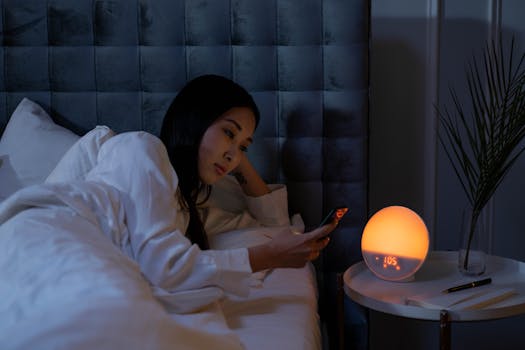
Choose based on your primary goal. Circadian reset is not one-size-fits-all, and the “best” option depends on whether you need earlier timing, better sleep onset, or recovery support.
If your main goal is earlier bedtime and easier sleep onset
Winner: blue blocking in the evening + bright morning light.
Use blue blocking for 2–3 hours before bed. Pair it with morning bright light (or daylight exposure) within 30 minutes of waking. This combination addresses melatonin timing and circadian anchoring.
Practical example: If you’re trying to stop falling asleep at 1:00 a.m., you might start wearing blue-blocking glasses at 8:00–9:00 p.m. and dim your environment after that (warm lamps, reduced overhead lighting). Then, get 20–30 minutes of outdoor light or use a light box in the morning.
Product direction: Look for nighttime blue-blocking glasses with strong blue attenuation in the 400–500 nm range. For morning anchoring, consider a light therapy lamp/light box that provides high lux at eye level (commonly 5,000–10,000 lux). Brands vary, but the specs and distance matter.
If your goal is recovery and relaxation, and sleep is “okay but not great”
Winner: red + infrared as add-ons, but keep blue exposure controlled.
Use red or red/near-infrared after work or during your wind-down. Then add blue blocking and dim lighting in the final 2–3 hours before bed. This prevents a common failure mode: people feel relaxed from red/infrared but still get delayed melatonin onset from screens.
Product direction: Choose a red light panel or wearable that clearly states wavelength range (often 620–660 nm for red and 780–850 nm for near-infrared) and includes guidance for exposure time and distance. Many users do well with short sessions like 10–20 minutes in the evening, but you should follow the device manufacturer’s dosing guidance.
If you’re trying to shift your circadian rhythm (jet lag, delayed sleep phase)
Winner: morning light strategy + evening blue blocking.
Red and infrared are usually not enough to shift circadian phase on their own. For phase shifts, morning light timing is a major lever. Use blue blocking at night to avoid “backsliding.”
Practical example: After a cross-time-zone trip, you want to align to your destination schedule. You can aim for bright light exposure during your destination morning and keep your evenings shielded from blue. Over several days, your rhythm typically stabilizes faster than using red light alone.
If you want a low-effort routine you’ll actually stick to
Winner: blue blocking + consistent dimming.
Most people fail not because the science is wrong, but because routines are inconsistent. Blue-blocking glasses are straightforward, and they work immediately each night you wear them.
Final verdict: which timing works best for your needs
Here’s the clean decision rule:
- Choose blue blocking if your priority is sleep onset and protecting melatonin in the evening. Timing matters: start 2–3 hours before bed.
- Choose red light if you want recovery, comfort, and a calming wind-down cue. Treat it as an add-on, not the primary circadian reset mechanism.
- Choose infrared for relaxation and recovery, especially if you like the warm, soothing feel. Again, use it alongside evening blue control.
If you’re trying to reset your circadian rhythm, the strongest overall approach for most buyers is not “red vs infrared vs blue.” It’s morning light to set the clock + evening blue blocking to keep it stable, with red/infrared as optional support for recovery and routine consistency.
That’s the approach most likely to deliver measurable improvements—earlier sleepiness, fewer late-night delays, and a more predictable schedule—without relying on a single color to do everything.
05.04.2026. 01:29